• Skip to main content
  • Skip to secondary menu
  • Skip to primary sidebar
  • Skip to footer
  • Privacy
  • Terms of Use
  • About
  • Contact

Cold War Studies

Before, During, and After the Cold War

Thanksgiving Stories

Cold War Thanksgivings, vintage holiday traditions, American history, and more.

  • Cuba
  • Iran
  • Taiwan
  • Middle East
  • Spy
  • Movies
  • Soccer
  • Shop
  • Thanksgiving

COLD WAR: TAIWAN AND THE ARRIVING MAINLANDERS

January 10, 2011 by Lisa Reynolds Wolfe

Many in Taipei Became Homeless with the Arrival of the Mainlanders

Taiwan’s citizenry had a negative perception of the mainlanders and their military that was underscored when hundreds of thousands more soldiers began to enter Taiwan in the spring of 1949. This group, defeated by the peasant soldiers of Mao Tse-Tung, came to Taiwan both individually and as part of units. They appeared downtrodden and demoralized.

One observer noted:

We all went down to greet the Chinese troops carrying Nationalist flags, and the Formosans were really sincere in welcoming the new government. But the mainland troops were so poor and shabby that the Formosans were disillusioned even before experiencing the graft and corruption….They’d been used to smartly-dressed and disciplined Japanese soldiers who were clean, neat, and well- behaved. Now these KMT troops were filthy, illiterate, and treated the Formosans as an occupied people.

As previously mentioned, it is estimated that about one million military personnel and another million government and civilian personnel arrived on the island, most of them settling in Taipei.

Debate continues about the caliber of the arriving mainlanders and their ability to assume the critical posts the Japanese exit left vacant in the scientific, technical, and administrative structure of Taipei’s economy.

In contrast to the accepted judgement, some believe that the mainland Chinese were not “skilled or experienced in activities which required replacement management, [even though] the business and government leaders were well educated, bringing strong administrative and technical expertise to the capital.”

Most agree that the migrating army was heavily weighted toward young men with limited education credentials.

The arrival of the mainlanders immediately affected Taipei’s urban landscape, placing severe strain on the city’s infrastructure and services.

The Taiwanese expressed apprehension over the incorporation of large numbers of civilian and military refugees into Taipei’s struggling economic and political environment.

The Nationalist government was also concerned and, since most of the refugees were military or government workers, the government felt obligated to take care of them.

The new arrivals were given most of the key jobs in the government bureaucracy, in the education system, and in government enterprises despite their status as a numerical minority.

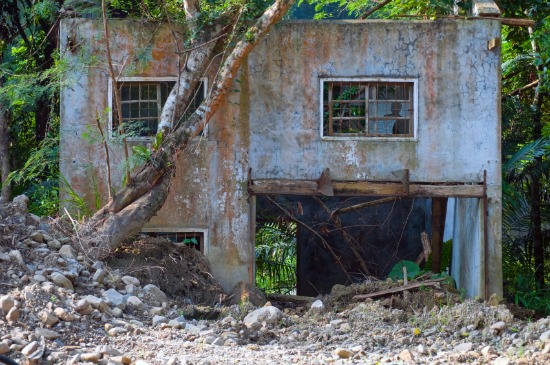
They were also given most of the homes abandoned by the Japanese. Still many became homeless and lived in the squatter settlements which were emerging all over the city.

The situation became increasingly serious because most of the new arrivals did not speak the same language as the locals. Misunderstandings and tensions became the norm.


Filed Under: China | Manchuria

Primary Sidebar

THANKSGIVING
The Meaning of Thanksgiving

The Meaning of Thanksgiving

From holiday movies to Cold War traditions, take a nostalgic look at Thanksgiving in mid-century America. [Read More...]

The Cranberry Scare of 1959

The Cranberry Scare of 1959

A different kind of Red Scare struck America in 1959 when fears of contaminated cranberries threatened Thanksgiving dinner. [Read More...]

The Pilgrims: A Cold War Take

The Pilgrims: A Cold War Take

Were the Pilgrims socialists or capitalists? Explore how Cold War ideology influenced interpretations of America's Thanksgiving story. [Read More...]

Everyone Loves a Parade

Everyone Loves a Parade: A Cold War Tradition

From giant balloons to holiday crowds, revisit the history of Macy's Thanksgiving Day Parade during the Cold War years. [Read More...]

8 Robin Hood Movies from the Cold War Era

8 Robin Hood Movies from the Cold War Era

In 1953, Robin Hood became a target of the Red Scare. Explore the controversy and eight Cold War-era films featuring the legendary outlaw. [Read More...]

12 Must-Have Cookbooks for the Cold War Kitchen

12 Must-Have Cookbooks for the Cold War Kitchen

Take a nostalgic trip into the Cold War kitchen with twelve cookbooks that capture the recipes, tastes, and food traditions of the era. [Read More...]

Footer

Timelines

Israel-Palestine Timelines: 65 BC – 2012
US and Iran: Timeline of Selected Nuclear Events
The End Of The Cold War: A Cold War Timeline

Podcasts

The War in the Third World Begins
The Truman Doctrine and The Marshall Plan
NSC-68 (1948-1950): A PODCAST


The Stylish Spy

Workout Like A Spy: 10 Fitness Hints From The Gray Man
The Art of Disguise: “How To” Tips from the CIA and 11 Spy Films
Meet George Smiley: John Le Carre’s Spy Extraordinaire


Red Scare

Cold War Magazine cover with a colorful collage, large 'COLD WAR' header, and bold headlines like 'Eye Spy A COMMIE' and 'Bonus: How to ID an American Communist'.

Affiliate Disclosure

Cold War Studies participates in affiliate programs including Amazon Associates. Purchases made through select links may generate a small commission at no additional cost to readers. Thanks for supporting Cold War Studies!

Copyright © 2026 · Magazine Pro on Genesis Framework · WordPress · Log in

We use cookies to ensure that we give you the best experience on our website. If you continue to use this site we will assume that you are happy with it.